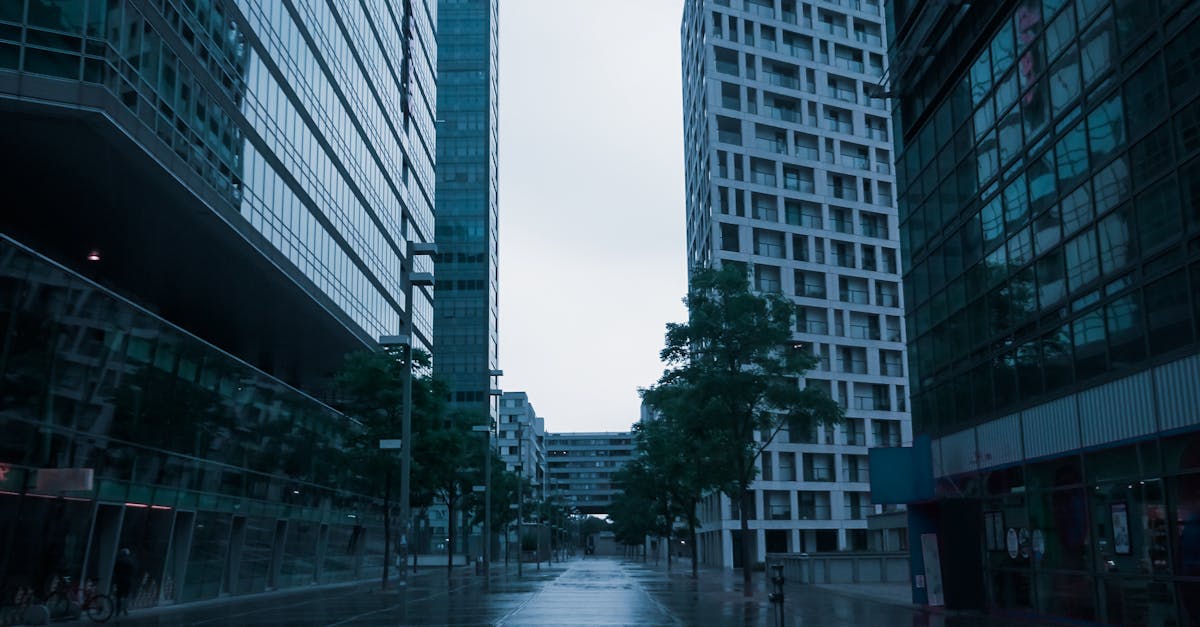
When Mark Cuban asked whether AI should already be causing visible drops in downtown office use, it felt like a neat little thought experiment you might have with a friend over coffee. The reality is messier. Yes, many companies are experimenting with AI and hybrid models, and yes, urban office foot traffic has fallen. That mix of technology, changing workplace culture and post-pandemic habits helps explain why office occupancy decline feels less hypothetical and more like slow, creeping reality.
Why office demand has shifted
Before we get into the numbers and narratives, it helps to separate three related but distinct trends: how many people are showing up each day, how much space companies lease, and whether landlords can re-rent or repurpose vacant floors. Each of those is influenced by economics, worker preferences and — increasingly — digital tools like AI that change how work is done.
Here are the major forces at play:
- Hybrid work sticks: After two years of forced remote work, many employees and managers discovered that certain tasks can be done well outside the office. That doesn’t kill the office, but it reduces routine occupancy.
- Cost pressure: Companies are auditing expenses. If teams can function with less desk space without hurting productivity, landlords face harder negotiations.
- AI and automation: Tools that streamline knowledge work can change the cadence of collaboration. If fewer people are needed in the office for certain meetings or workflows, peak occupancy falls.
- Suburbanization and commuter shifts: Some workers moved during the pandemic and aren’t commuting daily; that reduces downtown lunch traffic and daytime demand.
Mark Cuban’s question, in his words
“If AI is going to destroy white collar jobs first, shouldn’t we already be seeing occupancy declines in office buildings? Particularly in big cities where large employers are primarily based? Or am I missing something?” — Mark Cuban (X)
It’s a fair point: if automation were wiping out large numbers of desk jobs overnight, you’d expect dramatic vacancy spikes in city cores. What we actually see is a more staggered, uneven pattern. Some companies and some teams have reduced space aggressively; others continue to lease at pre-pandemic levels. The net result: occupancy fell, but not uniformly or catastrophically.
How the data lines up
Look at metrics for large cities and you’ll find consistent themes: lower daily footfall, higher meeting-room vacancy at certain times, and subleased office inventory that’s taking longer to absorb. Landlords of Class B and C buildings often face more pressure than premium Class A towers with long-term tenants. Many downtowns show vibrant activity at certain hours and empty floors at others — a symptom of hybrid scheduling rather than instant obsolescence.
Data that backs office occupancy decline
Multiple sources track this. Mobility data shows reduced weekday activity in some central business districts. Real estate reports note rising sublease availability. Surveys of employers reveal a range of approaches — some insisting on office-first culture, others welcoming long-term hybrid or even permanent remote roles. Together, these data points paint a picture of declining steady-state occupancy, even when new economic cycles complicate the signal.
Why AI accelerates change, but doesn’t flip a switch
AI is a potent tool for automating knowledge work, but adoption takes time. Many white-collar tasks are augmented rather than replaced: AI helps draft, summarize, research and analyze, while humans handle judgment, strategy and emotional intelligence. That augmentation can reduce repetitive trips to the office (fewer in-person status meetings, more async work), but it rarely eliminates the need for collaboration spaces, client meetings, or moments of creative serendipity entirely.
In short: AI is a multiplier of existing trends. It nudges companies toward flexibility and efficiency, but its effects on real estate are mediated by corporate policy, labor markets and cultural preferences.
What employers and landlords are doing about it
- Rethinking layouts: Firms convert individual desks into collaboration zones, studios and hoteling systems to support fewer full-time occupants.
- Flexible leases: Companies negotiate shorter terms or adopt pay-for-use models; landlords respond with coworking partners or adaptive reuse plans.
- Focus on experience: To entice employees back, many offices emphasize culture, amenities and programming that remote work doesn’t deliver.
- Data-driven space planning: Organizations use occupancy sensors and scheduling analytics to size offices more precisely.
Who wins and who feels the pinch
The winners are flexible businesses that adapt their real estate strategy to actual use patterns and invest in employee experience. The losers are owners of rigid portfolios or buildings in locations that no longer suit tenants’ needs. Neighborhoods that diversify their offerings — housing, retail, cultural venues — tend to weather declines better than single-use business districts.
For workers, the outcome is mixed. Many appreciate the freedom to choose where to work; others miss commute-free boundaries or the social energy of an office. Policy and corporate leadership will shape which experience becomes dominant.
Practical takeaways if you’re watching the market
- Look beyond headlines: a drop in occupancy is a trend, not a universal apocalypse.
- Differentiate between short-term vacancy spikes and long-term demand shifts.
- Consider the local context: city, building class, industry mix and transit patterns all matter.
- Track AI adoption curves in your sector; they offer clues about which roles and spaces change first.
Parting thoughts on where this goes next
We’re not watching a single moment where everyone stops going to work. Instead, we’re witnessing a gradual rebalancing. The pandemic nudged behaviors, AI amplifies certain efficiencies, and corporate choices determine how office portfolios evolve. If you’re parsing headlines, remember that a measured decline in daily attendance can coexist with thriving, reinvented office ecosystems. The story is adaptation, not annihilation, and much depends on how quickly institutions respond.
Q&A
Q: Will AI eliminate white-collar jobs completely?
A: Not overnight. AI will automate tasks and change job content, but many roles will be augmented rather than erased. New roles around AI oversight, prompt engineering, and human-AI collaboration are already emerging.
Q: Are downtown offices doomed?
A: No. Downtowns will change. Some buildings and blocks will struggle, while others will reinvent themselves with mixed uses, cultural programming, and amenities that draw people for reasons beyond work.